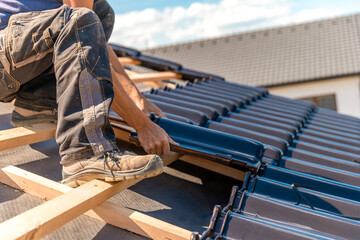
It often starts with something easy to overlook. A small water stain on the ceiling, a missing shingle after a storm, or a faint drip during heavy rain. At first, it may not seem urgent, but these early signs can point to bigger problems developing above your head. Your roof is one of the most important parts of your home, and even minor damage can lead to serious issues if not addressed in time.
Roof repair is essential for maintaining the safety, durability, and value of your property. Understanding when repairs are needed and how the process works can help you act quickly and prevent costly damage. Visit https://www.cedarparkroofingpro.com to learn more.
What Roof Repair Involves
Roof repair refers to fixing damaged or worn areas of a roof to restore its function and prevent further deterioration. This can include replacing shingles, sealing leaks, repairing flashing, or addressing structural concerns.
Unlike full roof replacement, repair focuses on specific problem areas. It is often a more cost effective solution when the damage is limited and the overall structure is still in good condition.
The goal of roof repair is to extend the life of the roof while maintaining its ability to protect the home from weather and external elements.
Common Signs You Need Roof Repair
Recognizing the early signs of roof damage can help you take action before the problem worsens. One of the most noticeable indicators is water leakage. Stains on ceilings or walls often suggest that water is entering through the roof.
Missing or damaged shingles are another common sign. Shingles that are cracked, curled, or blown away can expose the underlying structure to moisture.
Granules in gutters may indicate that shingles are deteriorating. This can reduce the roof’s ability to protect against weather conditions.
Sagging areas on the roof are more serious and may point to structural issues. These should be addressed immediately to prevent further damage.
Unusual increases in energy bills can also be linked to roof problems, as poor insulation or ventilation may affect temperature control.
Causes of Roof Damage
Several factors can contribute to roof damage over time. Weather is one of the most common causes. Heavy rain, strong winds, and extreme temperatures can weaken roofing materials.
Aging is another factor. Over time, materials naturally wear down and lose their effectiveness. Regular maintenance helps slow this process.
Poor installation or low quality materials can also lead to problems. If a roof is not installed correctly, it may be more vulnerable to damage.
Debris such as leaves and branches can accumulate and trap moisture. This creates conditions that can lead to deterioration.
Understanding these causes helps you take preventive measures and maintain your roof more effectively.
The Roof Repair Process
The roof repair process typically begins with an inspection. This step helps identify the extent of the damage and determine the best course of action.
Once the problem areas are identified, the damaged materials are removed. This may include shingles, flashing, or other components.
Repairs are then carried out using appropriate materials. This ensures that the roof is restored to its original condition and can perform effectively.
Sealing and waterproofing are important parts of the process. These steps help prevent future leaks and improve durability.
After the repairs are completed, a final inspection ensures that everything has been properly addressed.
Types of Roof Repairs
Roof repairs can vary depending on the type of damage and roofing material. Shingle replacement is one of the most common repairs, addressing areas where shingles are missing or damaged.
Leak repair involves locating the source of water intrusion and sealing it effectively. This may include repairing flashing or sealing joints.
Flashing repair focuses on areas where the roof meets other structures, such as chimneys or vents. Proper flashing prevents water from entering these vulnerable points.
Gutter and drainage repairs may also be necessary. Ensuring proper water flow helps prevent damage to both the roof and the structure below.
Each type of repair plays a role in maintaining the overall health of the roof.
Cost of Roof Repair
The cost of roof repair can vary depending on the extent of the damage and the type of materials used. Minor repairs such as replacing a few shingles may be relatively inexpensive.
More extensive repairs involving leaks or structural issues can cost significantly more. The size of the roof and accessibility also influence the overall price.
Labor costs are a major factor, especially for complex repairs that require specialized skills. Materials and equipment also contribute to the total cost.
Planning for regular maintenance can help reduce the need for costly repairs in the future.
Preventive Maintenance for Your Roof
Preventive maintenance is key to extending the life of your roof. Regular inspections help identify issues before they become serious.
Keeping gutters clean ensures proper drainage and prevents water buildup. Removing debris from the roof reduces the risk of damage.
Checking for loose or damaged shingles allows for early repairs. Addressing small problems promptly can prevent larger issues.
Ensuring proper ventilation and insulation also contributes to the health of the roof. These factors help regulate temperature and reduce stress on materials.
Consistent maintenance helps protect your investment and maintain the integrity of your home.
When to Repair vs Replace a Roof
Deciding whether to repair or replace a roof depends on several factors. If the damage is limited and the roof is relatively new, repairs are often sufficient.
However, if the roof is older and has widespread damage, replacement may be a better long term solution. Frequent repairs can add up over time, making replacement more cost effective.
The overall condition of the roof should be evaluated to determine the best option. Consulting with a professional can provide valuable insight.
Making the right decision ensures that your roof continues to provide reliable protection.
Final Thoughts
Roof repair is an essential part of maintaining a safe and durable home. By addressing issues early and understanding the repair process, you can prevent minor problems from becoming major concerns.
Regular inspections, proper maintenance, and timely repairs all contribute to the longevity of your roof. These steps help protect your home from weather damage and maintain its overall value.
In the end, a well maintained roof is more than just a protective barrier. It is a key component of a secure and comfortable living environment. Taking care of it ensures that your home remains safe, efficient, and ready to withstand the elements for years to come.