Building a Healthier Future Through Medical Health Care

Medical health care is the foundation of a strong and thriving society. It encompasses preventive measures, diagnosis, treatment, and ongoing support for individuals across all stages of life. Whether it’s a routine checkup, an emergency procedure, or long-term management of a chronic condition, medical health care plays a crucial role in maintaining quality of life. By understanding its many aspects and how it works, individuals can make better decisions for their well-being and the health of their communities.

medical health care

The Importance of Medical Health Care

Good health is one of the most valuable assets anyone can have, and medical health care is the system that helps protect it. Access to reliable care reduces the risk of preventable diseases, manages existing conditions, and supports recovery after illness or injury.

Medical health care also plays a major role in public safety and economic stability. A healthy population is more productive, more resilient in the face of crises, and less burdened by long-term health costs. In this way, investing in medical health care benefits not only individuals but society as a whole.

Preventive Care as the First Line of Defense

One of the most important aspects of medical health care is prevention. Preventive care focuses on stopping health problems before they start or catching them early when they’re easiest to treat. Examples include:

  • Regular health screenings and checkups
  • Immunizations and vaccines
  • Lifestyle counseling on nutrition, exercise, and stress management
  • Early detection tests for conditions such as high blood pressure or diabetes

By prioritizing preventive care, individuals reduce the likelihood of severe illness, avoid costly treatments, and enjoy longer, healthier lives.

Primary and Specialized Care

Medical health care operates at several levels. Primary care is typically the first point of contact, providing general health services such as routine exams, minor injury treatment, and management of common illnesses. Primary care providers coordinate with specialists when more advanced treatment is needed.

Specialized care involves professionals who focus on particular areas such as cardiology, dermatology, or orthopedics. Specialists bring in-depth knowledge and advanced treatments for complex conditions, working alongside primary care providers to create a comprehensive health plan for each patient.

Emergency and Acute Care

When unexpected health crises arise, emergency care saves lives. Emergency departments, urgent care clinics, and ambulance services respond to severe injuries, heart attacks, strokes, and other critical conditions. Fast, skilled intervention during these moments can make the difference between life and death, full recovery or lasting complications.

Emergency care also highlights the importance of an organized medical health care system, where different providers and facilities coordinate seamlessly to deliver timely treatment.

Chronic Disease Management

Many people live with chronic conditions such as asthma, diabetes, or heart disease. Medical health care provides the tools and support needed to manage these illnesses effectively, improving quality of life and preventing complications. This can include:

  • Regular monitoring of vital signs and lab results
  • Adjustments to medication or therapy plans
  • Patient education on lifestyle changes
  • Access to support groups or counseling

Well-managed chronic care reduces hospital visits and empowers patients to take an active role in their own health.

The Role of Mental Health in Medical Care

Health is more than just the absence of disease. True wellness includes mental and emotional well-being. Integrating mental health services into medical health care ensures a more holistic approach. Counseling, therapy, and medication management help individuals cope with stress, depression, anxiety, and other conditions that can affect daily life.

By recognizing the connection between mind and body, medical health care promotes overall resilience and improved outcomes.

Technology Transforming Medical Health Care

Advances in technology have revolutionized how medical health care is delivered. Innovations such as telemedicine, digital health records, and wearable health monitors make it easier for patients and providers to communicate and track health data.

Remote consultations allow people to receive care from home, reducing travel time and improving access for those in remote areas. Digital records improve coordination between providers, reducing errors and streamlining treatment plans. As technology evolves, it continues to make medical health care more efficient, personalized, and accessible.

Public Health and Community Care

Medical health care extends beyond individual patients. Public health programs focus on protecting entire communities through initiatives such as vaccination drives, health education campaigns, and disease surveillance. These efforts prevent outbreaks, reduce health disparities, and create safer living environments for everyone.

By participating in community health programs, individuals contribute to a stronger, healthier society while also protecting themselves and their families.

Choosing the Right Medical Health Care Provider

Selecting a medical health care provider is a personal and important decision. Factors to consider include:

  • Qualifications and experience
  • Range of services offered
  • Accessibility and location
  • Approach to patient communication and education

A good provider will listen, answer questions, and involve patients in decision-making about their care. Building a trusting relationship ensures better outcomes and a more positive experience overall.

The Future of Medical Health Care

The field of medical health care is constantly evolving to meet the needs of changing populations. Trends such as personalized medicine, preventive genetics, and integrated care models promise to deliver more precise and effective treatments. Greater emphasis on sustainability, equity, and patient-centered care will also shape the future of health services.

By staying informed and proactive, individuals can take full advantage of these innovations to improve their health and longevity.

Empowering Individuals Through Knowledge and Care

Medical health care is not just a system to visit when you’re sick—it’s a lifelong partnership between individuals and health professionals. By understanding its components, prioritizing preventive measures, and actively participating in their own care, people can enjoy healthier, more fulfilling lives.

At its core, medical health care is about compassion, science, and collaboration. It protects individuals, strengthens communities, and drives progress toward a healthier future for all. By valuing and investing in it, we invest in our collective well-being and resilience.
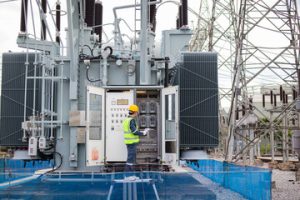
Commercial Electrical Installation: Planning and Design for Efficient Power Distribution

Efficient electrical systems are the foundation of modern commercial facilities. From office buildings and retail centers to manufacturing plants and warehouses, reliable power distribution ensures smooth operations, employee safety, and optimal energy efficiency. Designing and installing a commercial electrical system is far more complex than simply connecting wires to a utility source. It requires meticulous planning, careful design, and strategic implementation to ensure that power is distributed effectively, safely, and in compliance with current codes and regulations. A well-executed electrical installation not only supports current operational needs but also allows for future growth and technological upgrades.

The planning phase is one of the most critical aspects of Commercial Electrical Installation. Facility owners and electrical contractors must evaluate the building’s purpose, occupancy, equipment requirements, and anticipated future expansion. Understanding the load requirements is essential for determining the appropriate size of the electrical service, the capacity of transformers, and the number and type of distribution panels needed. An accurate assessment during the planning stage helps prevent overloading, minimizes energy waste, and ensures the long-term reliability of the electrical infrastructure.

electrical services

Load analysis is a fundamental part of planning. It involves calculating the total power requirements of the facility, considering lighting, HVAC systems, computers, industrial machinery, and other electrical devices. Both continuous and peak load demands must be accounted for to avoid undersizing the system. Commercial facilities with varying operational schedules may require additional planning to accommodate fluctuating energy usage, ensuring circuits are not overtaxed during peak periods. Accurate load analysis allows for optimized distribution, reduces the risk of breaker trips, and enhances overall system efficiency.

Designing an efficient commercial electrical system goes beyond simply meeting power demands. Circuit layout, panel placement, and conduit routing all influence the safety, reliability, and accessibility of the system. Panels should be strategically located to minimize wire runs, reduce voltage drop, and allow for easy maintenance. Proper spacing and organization within distribution panels ensure that circuits are clearly labeled and accessible for troubleshooting or expansion. Additionally, routing conduits along logical paths prevents unnecessary interference with structural elements and simplifies future modifications or upgrades.

Modern commercial electrical design increasingly emphasizes energy efficiency and sustainability. High-efficiency lighting systems, automated controls, and energy management technologies can significantly reduce operational costs while minimizing environmental impact. Designing the electrical system to accommodate these technologies from the outset ensures that energy-saving measures are fully integrated. For instance, dedicated circuits for LED lighting, occupancy sensors, or HVAC controls can be planned to optimize performance and simplify future maintenance. Energy-efficient design also supports compliance with environmental regulations and industry standards, enhancing the facility’s sustainability profile.

Another critical aspect of commercial electrical installation is grounding and bonding. Proper grounding provides a safe path for electrical faults, protecting personnel and equipment from shock hazards. Bonding ensures that all conductive elements maintain equal potential, reducing the risk of voltage differences that could cause arcing or equipment damage. Electrical contractors must design grounding systems in accordance with national and local electrical codes, taking into account soil conductivity, building structure, and the presence of sensitive electronic equipment. Well-designed grounding and bonding are essential for both safety and system reliability.

Safety considerations extend to circuit protection as well. Modern commercial installations rely on circuit breakers, fuses, and surge protection devices to prevent overloads, short circuits, and electrical fires. Selecting appropriately rated breakers and protective devices requires a thorough understanding of load characteristics, anticipated usage patterns, and potential fault conditions. In high-demand environments, such as data centers or industrial plants, redundancy may be incorporated to ensure critical systems remain operational even if a breaker trips. Proper circuit protection safeguards both personnel and equipment, reducing liability and minimizing downtime.

Integration with technology and building systems is another key consideration. Commercial facilities increasingly rely on interconnected networks of lighting, HVAC, security, and data systems. Electrical design must accommodate the power requirements and connectivity needs of these systems, ensuring consistent voltage, a clean power supply, and effective distribution. For example, sensitive equipment such as servers or medical devices may require dedicated circuits with uninterruptible power supplies (UPS) to prevent disruption during outages or voltage fluctuations. Strategic design ensures that technology operates reliably and efficiently, supporting overall operational goals.

Planning for future expansion is an essential element of commercial electrical design. Many facilities grow over time, adding new equipment, workstations, or processes that increase electrical demand. A well-designed system includes provisions for scalability, such as extra capacity in panels, oversized conduits, and reserved circuits for future use. Anticipating growth reduces the need for costly retrofits and allows facilities to adapt to changing operational requirements without significant disruption. Scalable designs are particularly valuable in rapidly evolving industries where flexibility and responsiveness are critical.

Compliance with electrical codes and regulations is mandatory in commercial installations. Electrical contractors must ensure that all design and installation work meets national and local standards, including safety, accessibility, and energy efficiency requirements. Proper compliance not only ensures the safety of building occupants but also protects property owners from liability and potential penalties. Documentation of code compliance, including as-built drawings, permits, and inspection reports, provides an essential record for audits, insurance, and future maintenance.

Testing and commissioning are critical steps in the installation process. Once the electrical system is installed, comprehensive testing ensures that circuits operate correctly, breakers function as intended, and voltage levels meet design specifications. Load testing, insulation resistance tests, and grounding verification are standard procedures that confirm system performance and identify potential issues before the facility becomes fully operational. Thorough commissioning assures that the system is safe, reliable, and optimized for energy efficiency.

Preventive maintenance is closely linked to efficient design. A well-planned electrical system simplifies ongoing inspections, cleaning, and testing of components. Accessible panels, organized conduits, and clearly labeled circuits enable maintenance personnel to quickly identify and address potential issues. Regular preventive maintenance extends the lifespan of electrical equipment, reduces the likelihood of unexpected failures, and enhances overall system efficiency. Facilities with properly designed and maintained electrical systems experience fewer disruptions and lower long-term operating costs.

Advanced technologies, such as energy management systems and smart controls, can further enhance the efficiency of commercial electrical installations. These systems monitor energy consumption in real time, detect inefficiencies, and provide insights for optimization. Lighting controls, occupancy sensors, and automated HVAC integration reduce energy waste, while demand response features can help commercial facilities adjust usage during peak utility periods. Integrating these technologies during the initial design phase ensures seamless operation and maximizes both energy savings and operational reliability.

When planning commercial electrical installations, facility managers should consider the following:

  1. Load Assessment: Evaluate total electrical demand, including continuous and peak loads, to properly size panels, breakers, and distribution circuits.
  2. System Scalability: Design for future expansion, ensuring additional circuits or higher capacity can be accommodated without major retrofits.
  3. Safety and Compliance: Ensure all components meet current electrical codes and safety standards, including grounding, bonding, and protective devices.
  4. Energy Efficiency: Incorporate energy-saving technologies such as LED lighting, automated controls, and power monitoring systems.
  5. Accessibility and Maintenance: Strategically locate panels and route conduits to facilitate inspections, maintenance, and upgrades.

Collaboration between facility managers, electrical contractors, and design engineers is crucial throughout the planning and installation process. Clear communication ensures that operational requirements, safety considerations, and budget constraints are fully understood. Design adjustments can be made proactively to address unique challenges, such as high-density wiring areas, specialized equipment, or environmental conditions that may impact electrical performance. A collaborative approach reduces the likelihood of costly errors, project delays, or post-installation modifications.

Commercial electrical installations also require attention to redundancy and reliability. Critical systems, such as servers, security networks, or industrial production lines, may require backup power solutions integrated with the main electrical design. This can include uninterruptible power supplies (UPS), standby generators, or redundant circuits that automatically engage in the event of a failure. Integrating these elements during the design phase ensures seamless operation and minimizes downtime, which is particularly important in facilities where power interruptions can have significant operational or financial consequences.

Documentation is another essential element of the installation process. Detailed plans, schematics, and as-built drawings provide a permanent record of the system, supporting future maintenance, troubleshooting, and expansion. Documentation also demonstrates compliance with codes, aids in inspections, and assists facility managers in managing electrical assets effectively. Proper record-keeping is a critical tool for ensuring long-term system reliability and operational efficiency.

Energy efficiency considerations extend beyond equipment selection. Proper circuit design, balanced loads, and voltage optimization contribute to reduced energy consumption and lower operational costs. By minimizing power loss through efficient distribution and using modern components such as high-efficiency transformers and low-loss conductors, commercial electrical installations can achieve substantial energy savings over time. This contributes not only to reduced utility expenses but also to broader sustainability objectives, aligning with environmental regulations and corporate responsibility initiatives.

In conclusion, commercial electrical installation requires comprehensive planning and thoughtful design to ensure efficient, safe, and reliable power distribution. By assessing load requirements, designing for scalability, integrating modern technologies, and maintaining compliance with electrical codes, facility managers can create systems that meet current operational needs while preparing for future growth. Proper installation, combined with regular maintenance and monitoring, ensures long-term performance, energy efficiency, and safety.

Investing in professional planning and design of commercial electrical systems protects business operations, supports technological integration, and minimizes the risk of costly downtime or equipment damage. Modern facilities that prioritize efficient electrical installation are better positioned to adapt to evolving energy demands, improve sustainability, and maintain a competitive edge. Effective commercial electrical planning is not merely a technical requirement—it is a strategic decision that safeguards operational continuity, optimizes performance, and provides a reliable foundation for long-term business success.